
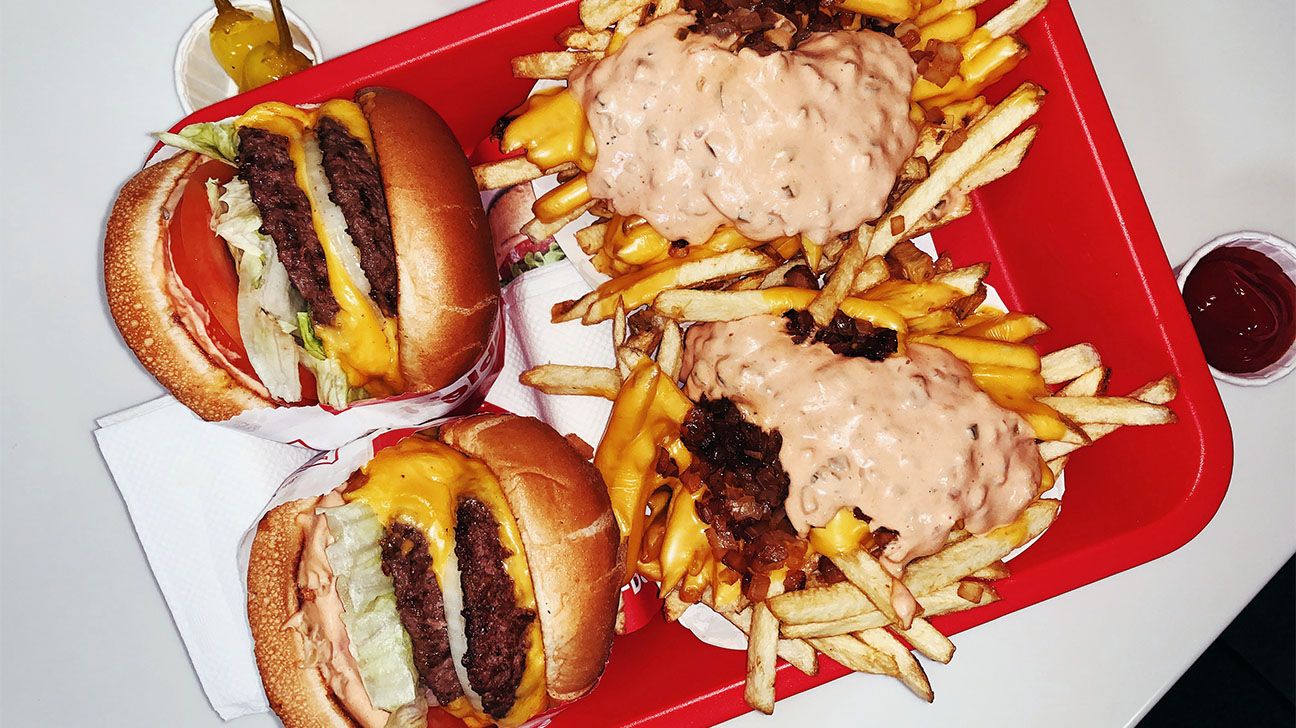
- One recent study determined that highly engineered consumables may be as addictive as tobacco products.
- The study authors found that these foods are formulated to heighten pleasure and accelerate the delivery of rewarding ingredients.
- The “addictive” quality of such products means they fuel compulsive consumption and hinder appetite regulation.
- The review authors propose that UPFs should be governed by policies comparable to those for cigarettes.
Right now, there is no single agreed-upon description of ultraprocessed foods. Many classify them as products that include components you are unlikely to have in a personal cupboard, like emulsifiers and artificial substances.
A lot of dietitians use the NOVA food categorization to classify ultraprocessed foods. This refers to foods that are “formulations of ingredients, mostly of manufacturing origin, often produced by a series of industrial techniques and methods.”
A recent review published in The Millbank Quarterly proposed that ultraprocessed foods are potentially just as habit-forming as tobacco products.
“I agree with this study, as UPFs are specifically engineered to be extremely attractive to most individuals,” noted a bariatric surgeon not affiliated with the research.
Research from last year estimates that over 73% of the food supply in the America are ultraprocessed.
“Tobacco and UPFs are not simply natural products but highly engineered delivery systems engineered deliberately to increase physical and mental reinforcement and habitual overuse,” noted the review’s authors.
Can Ultraprocessed Foods Addictive?
The review synthesized findings from addiction, historical health policy, and nutrition to identify textural and compositional features that boost the rewarding nature of both tobacco and UPFs.
“It’s not all people is ‘hooked’ to these foods, but for a meaningful minority, they cause typical habit-forming patterns: intense desires, loss of control, and persistent consumption even with negative health effects,” commented a preventive cardiology dietitian.
“These foods are purposely formulated with refined carbs, extra oils, salt, and taste additives to optimize reward and repeat consumption, and the food sector employs persuasive advertising strategies, especially targeting young people,” she continued.
Scientists analyzed several important factors:
- rapid absorption
- pleasure-based design, or creating products to be irresistibly good
- perfecting the amount
- widespread availability
- misleading changes, or “wellness branding”
The study concluded that, similar to cigarettes, ultraprocessed foods are fine-tuned to provide the right dose of sweetness.
“Processed carbs stimulate the feel-good chemical production via the vagus nerve, while lipids achieve this through intestinal lipid sensing,” the researchers wrote.
“… Ultraprocessed foods with significant amounts of refined carbohydrates and extra oils are some of the most potently rewarding foods in the contemporary food supply. Notably this processed carb and fat combination is rarely found in nature.”
The way these foods rapidly introduce “feel-good” substances to the mind renders them potentially addictive, similarly to cigarettes.
The paper stated that while cigarettes are designed to provide the addictive compound rapidly, UPFs are formulated to be broken down and absorbed quickly, as they usually have minimal fiber. This allows for the system to process lipids and carbohydrates faster.
The researchers also point out that ultraprocessed foods give intentional flavor bursts that fade quickly and mouthfeels that dissolve easily. This collectively works to trigger increased pleasure signals and prompts you to eat more.
‘Health Washing’ in Cigarettes, UPFs
Based on the review, both the cigarette and food industries have long used a tactic known as “wellness branding.”
This refers to when goods are marketed and altered to generate an perception of reduced harm while maintaining the core of their properties.
Health washing in the cigarette sector became popular in the mid-20th century with the advent of filter tips on cigarettes.
These were sold as protective innovations that would catch harmful substances prior to they entered the respiratory system. In reality, these tips offer minimal meaningful benefit.
However, people often adapted by inhaling deeper or smoking more frequently, which offset any decrease in toxin exposure.
Food manufacturers has taken a similar approach. It employs labels such as “reduced fat” or “no sugar added” to market UPFs.
However, these items still contain the same highly reinforcing formulations. The problem is that these changes offer a surface-level appearance of wellness while the item’s addictive structure and health risks persist unchanged.
Ought UPFs Face Controls?
The authors noted at the conclusion of their review that food and tobacco are not the same thing.
Nevertheless, they warned that some UPFs act like highly optimized products rather than real nourishment. They proposed that health regulations should reflect this reality.
“Tobacco provides a warning, and smoking regulations provides a source of hope,” the authors stated.
Because of policies, smoking rates in the United States have fallen and have “altered cultural views of tobacco and eroded trust in the industry.”
“It is my opinion greater awareness regarding the harmful effects of ultra-processed foods is crucial to reduce general consumption and enhance population wellness. The approaches employed to curb cigarette consumption have been effective and may be a helpful model for ultra-processed foods as well,” commented one expert.
“It is not my view ultraprocessed foods ought to be regulated precisely like cigarettes, but they do warrant stronger, smoking policy-based measures: advertising limits, clear front-of-package labeling, stricter rules on health claims, and limits in schools or hospitals,” added another dietitian.
The authors reminded people that lightly altered and unprocessed foods have sustained human health for thousands of years.


